
Free the nippel - pros and cons
A new trend or a return to nature?
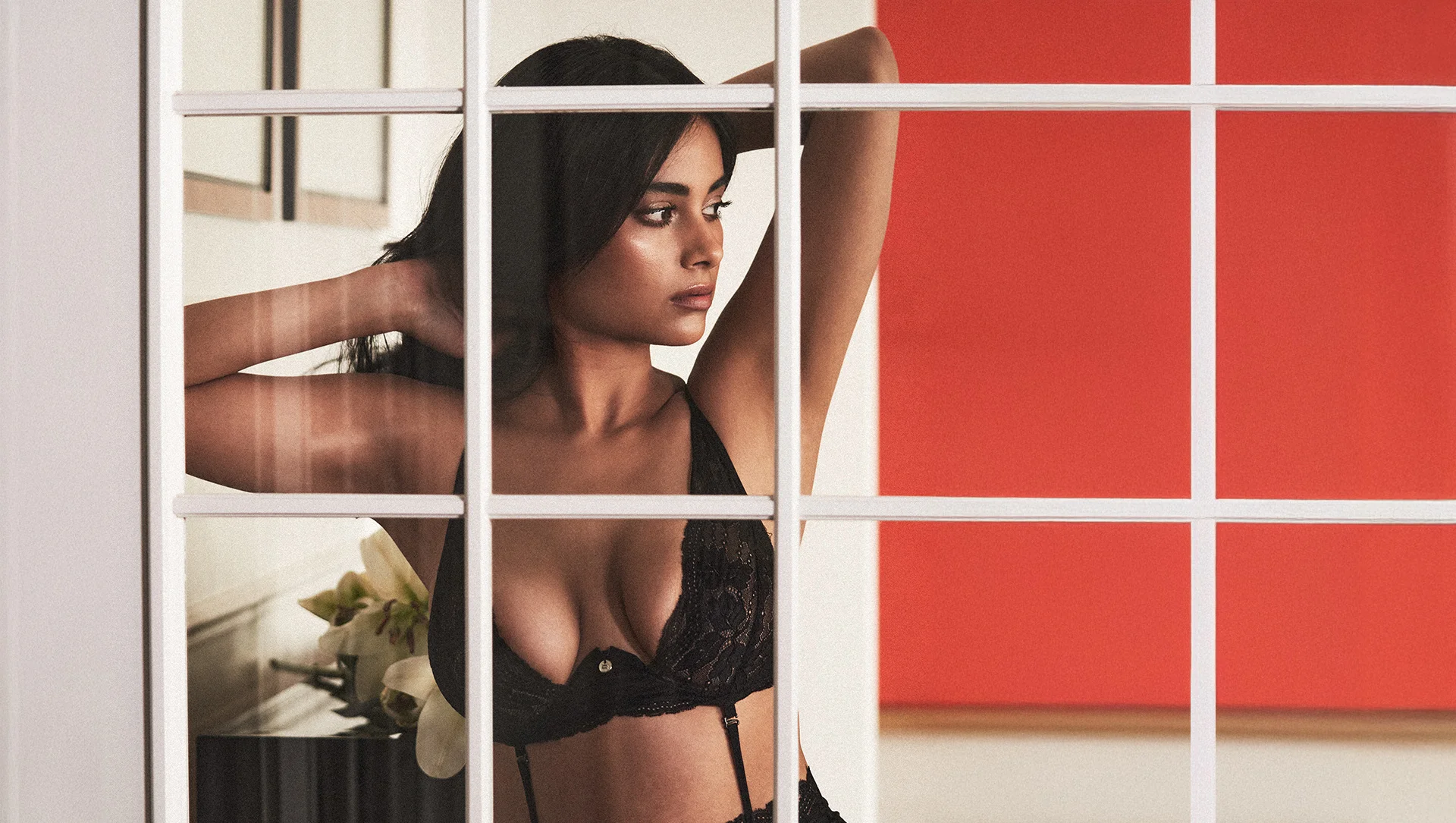
In recent years, more and more women have been choosing to go braless—not just at home, but also in public. While this choice may seem simple, it sparks strong emotions and lively debates, both on social media and among health professionals. On one hand, it's a matter of freedom, comfort, and self-acceptance; on the other, it raises questions about health, aesthetics, and social norms.
In this post, we’ll take a closer look at the advantages and disadvantages of going without a bra, examining the topic from several angles: health, psychology, aesthetics, and culture. What benefits might come from ditching the bra? Is this truly a conscious choice, or just a passing trend? Read on—this post might help you form your own opinion on this controversial topic.
Comfort and freedom – a relief for the body
One of the most commonly cited reasons for giving up bras is improved physical comfort. For many women, bras—especially those with underwires and rigid construction—are simply uncomfortable, causing pressure, chafing, or even back and shoulder pain. Going braless allows the skin to breathe and eliminates the hassle of finding the right size—which, as research shows, is often incorrectly chosen.
This is particularly relevant in summer when high temperatures intensify discomfort—ditching this piece of clothing can bring real relief. Women who have made the switch often describe a feeling of lightness and increased body awareness. While it may seem trivial, comfort plays a key role in daily well-being for many people.
Health aspects – myth or reality?
There are many myths surrounding the impact of bras on health—myths worth addressing. Supporters of going braless often highlight benefits such as improved circulation, reduced pressure on lymph nodes, and increased natural muscle tone in the chest area. Some studies also suggest that wearing a bra long-term doesn’t significantly prevent breast sagging—a common argument used against the so-called "free the nipple" movement.
However, it's important to note that for women with larger breasts, proper support can be essential for spine health and general comfort. Each woman’s body is different, and what works well for one may be uncomfortable or even harmful for another. The key is to listen to your own body and base your decision on real, personal needs—not just trends.
The psychological side – a bold move or just a need for ease?
The decision to go braless often goes beyond the physical—it can also be deeply rooted in psychology. For many women, it represents a form of self-acceptance and embracing their bodies without filters or imposed beauty standards. It can also be a symbolic gesture against the societal pressure to hide breasts or conform to specific aesthetic norms.
On the flip side, choosing not to wear a bra may trigger anxiety—especially for those with low self-esteem or fear of judgment. It’s essential to remember that every woman has the right to make her own choices at her own pace, without needing to justify them to others. Mental comfort is just as important as physical comfort, and its source is highly individual.
Aesthetics and fashion – what does modern style say?
While going braless was once considered a faux pas, today it's increasingly seen as a fashion statement. Designers now frequently showcase outfits where the absence of a bra isn’t a mistake, but a deliberate stylistic choice. Soft tops, oversized blazers, sheer fabrics—all of these can beautifully complement the body’s natural form.
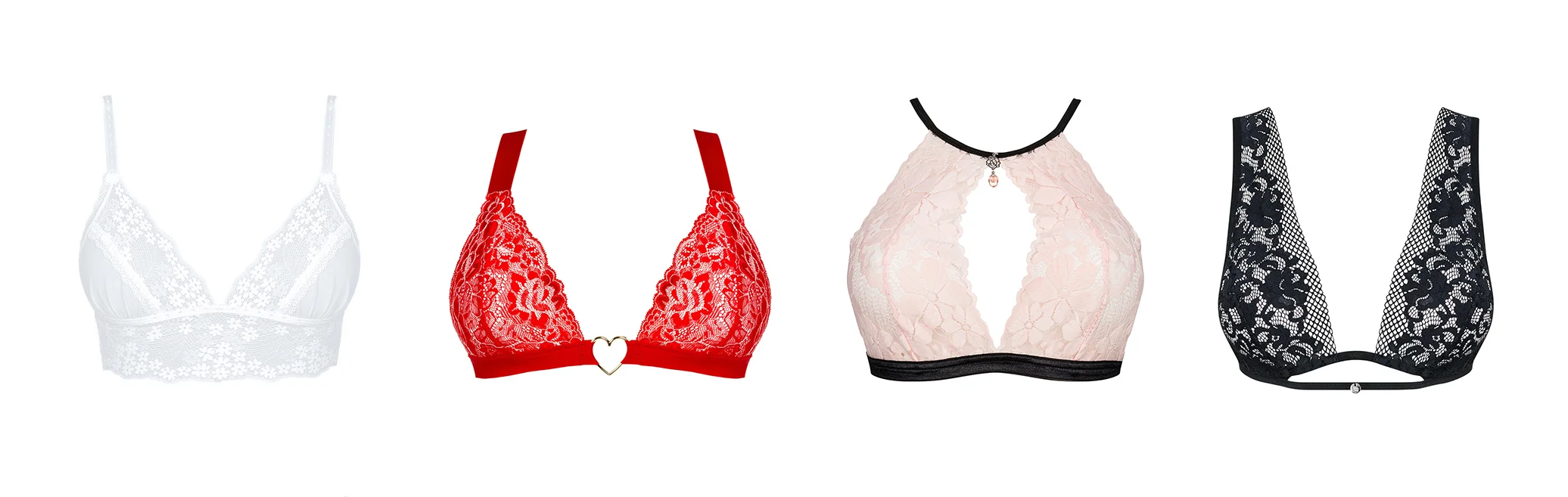
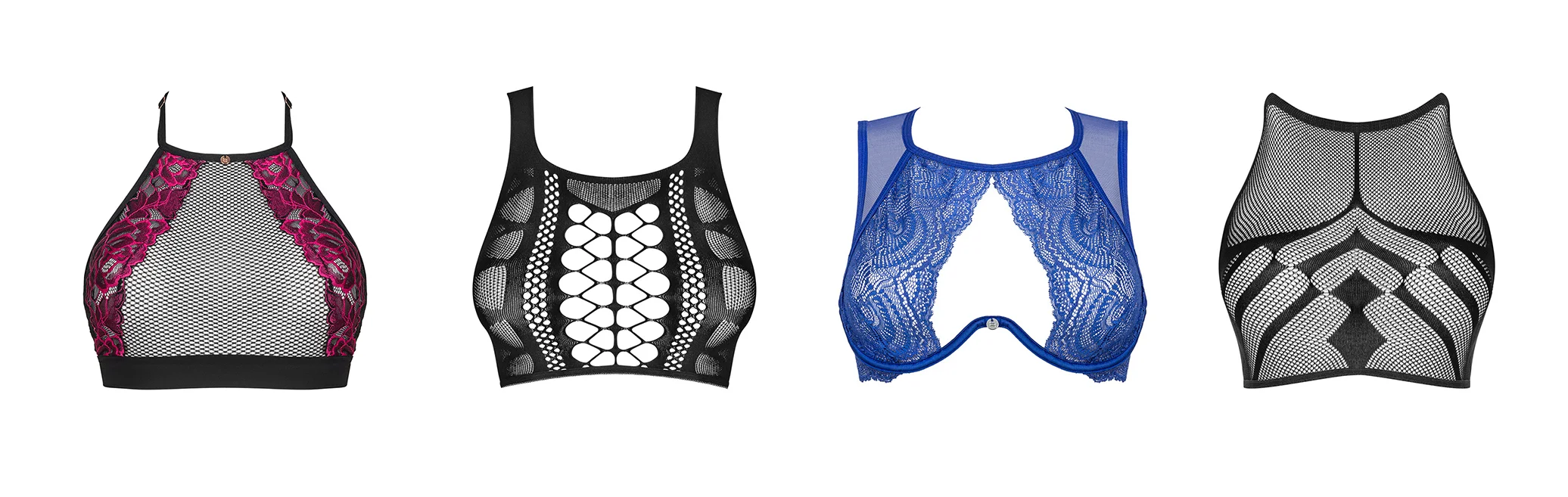
In addition, there’s a growing popularity of wire-free lingerie, bralettes, and supportive tops, offering a middle ground between comfort and style. Still, fashion shouldn’t be the only guide—what matters most is that each woman feels confident and comfortable, regardless of runway trends. Style is a form of self-expression, but also a tool for building confidence and well-being.
Social reactions – between norm and controversy
Unfortunately, choosing to go braless is still often met with judgment and unsolicited comments. Many women report that not wearing a bra can attract unwanted attention, remarks, or even assumptions about their character or morality. This reflects how deeply ingrained societal norms are when it comes to the “appropriate” presentation of the female body.
Yet the natural shape of breasts should not be a source of shame or something to hide. Changing this perception will require broader education and open conversations about body image and diversity. Hopefully, future generations of women will be able to make their own clothing choices—bra or no bra—without fear of judgment.
When a bra might still be necessary
Despite the benefits of going braless, there are situations where wearing a bra may still be a practical or supportive choice. For example:
- During intense physical activity, where the breasts need solid support.
- While breastfeeding, when additional lining helps maintain hygiene.
- When wearing certain types of clothing, especially thin or sheer fabrics.
- In cases of back pain related to breast size and weight.
- In professional settings with a defined dress code.
Choosing to wear or not wear a bra doesn’t have to be black and white. A well-fitted bra can be a woman’s ally, but it should never be a requirement—the key is flexibility and adapting to context and personal needs.
Your body, your choice
Going braless isn’t just about fashion or health—it’s also a reflection of personal beliefs and needs. For some women, it’s a symbol of freedom and comfort; for others, it may feel like an unnecessary risk or source of discomfort.
Regardless of your stance, what truly matters is that each woman can make this decision consciously, without pressure or fear of judgment. The world is changing—and so is the way we view the female body. Authenticity, diversity, and individuality are gaining more attention than ever.
So instead of asking, “Is it appropriate to go braless?”, a better question might be: “Do I feel good this way?”
Because the most important part of this conversation isn’t about social norms—it’s about how you feel, your health, and your confidence.